

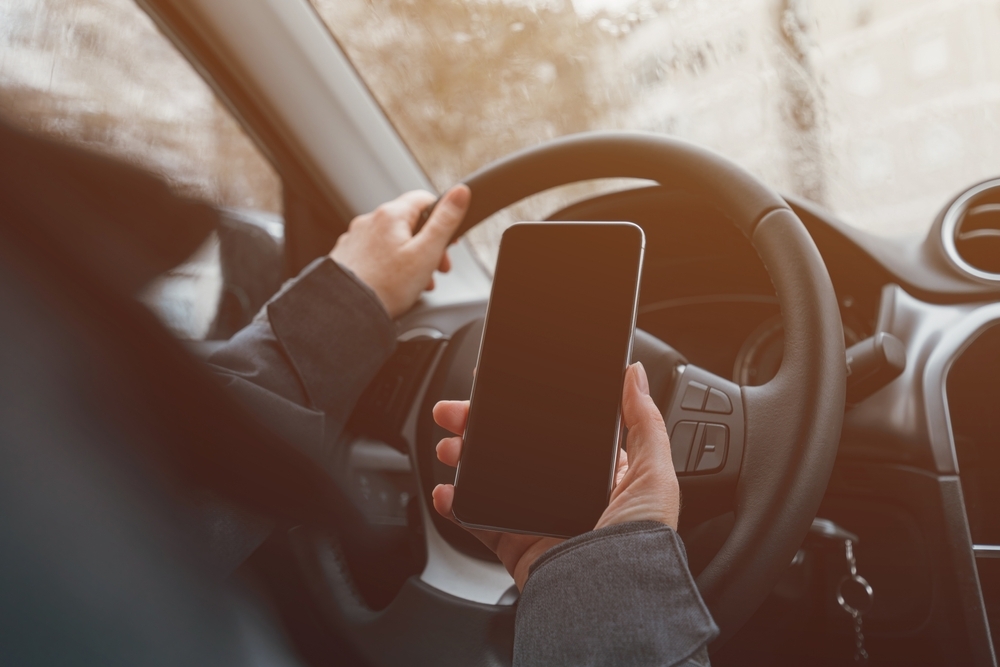
The holiday shopping season brings packed parking lots, heavier traffic, and drivers who split their attention between the road and their phones, navigation apps, and end-of-year to-do lists. If a distracted driver hits you during the holiday shopping season, you can feel overwhelmed (and fast). However, you can protect your health and your legal rights by taking the right steps. Just as important, you can position your claim for fair compensation instead of a rushed, low settlement.
In this guide, you will learn what to do after a crash, what evidence matters most, how fault works, what compensation may cover, and how to avoid common mistakes that insurance companies use to reduce payouts.
Why Crashes Happen More Often During the Holiday Shopping Season
During the holidays, drivers face more distractions and more decision points. For example, they search for parking, watch for pedestrians pushing carts, and glance at their phones for store pickup notifications. Meanwhile, traffic patterns change because more people run errands at unfamiliar times.
Common holiday crash triggers include:
- Phone use and texting while driving
- Navigation distractions in busy retail corridors
- Backing out of tight parking spaces
- Stop-and-go traffic that leads to rear-end collisions
- Rushed drivers trying to beat store closing times
- Pedestrian-heavy crosswalks near mall entrances
Even when a car accident feels minor, it can still cause serious injuries, especially neck and back injuries in low-speed impacts.
Step One: Get Medical Care First, Even If You Feel Okay
After a collision, adrenaline can mask pain. Therefore, you should get checked out as soon as possible, even if you think you only feel shaken up. When you get early treatment, you protect your health. At the same time, you create medical documentation that connects your injuries to the crash.
Injuries that often show delayed symptoms include:
- Whiplash and soft tissue injuries
- Concussions and mild traumatic brain injuries
- Back injuries, including herniated discs
- Shoulder, wrist, and knee injuries from bracing
- Anxiety, sleep disruption, and post-crash stress
If you wait too long, an insurer may argue your injury came from something else. So, even a quick urgent care visit can help establish a clear timeline.
Step Two: Call The Police And Make Sure A Report Gets Filed
If the crash happened on a roadway, ask for a police response. If it happened in a parking lot, request a report anyway, since documentation still helps. Also, notify mall security or store management if the crash happened in a shopping center lot.
A police report can support your claim by recording:
- The time and location of the crash
- Driver and vehicle information
- Witness names and contact details
- Early statements about what happened
- Whether a driver admitted distraction or fault
Step Three: Collect Evidence Before It Disappears
Holiday crashes happen in chaotic environments. Because of that, evidence can vanish quickly. Snow melts, cars move, and surveillance footage gets overwritten. So, if you can safely do it, gather proof at the scene.
Helpful evidence includes:
- Photos of vehicle damage from multiple angles
- Photos of skid marks, debris, and lane positions
- Pictures showing traffic signs, crosswalks, and lighting
- Screenshots of weather conditions and time
- Names and phone numbers of witnesses
- Notes about anything the driver said, including apologies or admissions
- Video footage from nearby businesses or dashcams, if available
If you suspect phone distraction, write down what you observed, such as the driver holding a phone, looking down, or drifting.
Common Holiday Crash Scenarios And What They Can Mean For Your Case
Rear-End Collisions In Stop-And-Go Traffic
A distracted driver often causes a rear-end crash because they follow too closely and fail to stop in time. In many cases, the rear driver carries primary responsibility. Still, insurers may try to argue you stopped suddenly. That is why scene photos and a police report matter.
Parking Lot Accidents Near Malls And Big Box Stores
Parking lots create unique risks, including:
- Drivers backing out without looking
- Cars cutting through aisles to avoid traffic
- Pedestrians walking between vehicles
- Poor lighting or obstructed views
Even though speeds are lower, injuries still happen. Also, fault can become more contested, so witness statements and footage can make a big difference.
Pedestrian Collisions In Crosswalks
Holiday shoppers often walk through crowded crosswalks with bags and carts. A driver looking at a phone can miss a person entirely. If a pedestrian gets hit, injuries can be severe, and the claim often requires quick evidence preservation.
Left-Turn And Intersection Crashes
Drivers rushing to turn into a shopping plaza may misjudge gaps in traffic. If distraction plays a role, phone records, witness accounts, and traffic camera footage can help establish negligence.
What You Should Not Do After A Distracted Driving Accident
Even when you want to be cooperative, certain actions can hurt your case.
Avoid these common mistakes:
- Do not admit fault or apologize in a way that sounds like blame
- Do not give a recorded statement to the other driver’s insurer
- Do not accept the first settlement offer if you still treat
- Do not stop medical care early if symptoms persist
- Do not post about the crash on social media, even casually
Instead, stick to the facts, focus on recovery, and keep documentation organized.
Similar Post: Distracted Driving in NJ: How Technology Can Be Both the Problem and the Solution
Who Pays For Your Losses If A Distracted Driver Hits You In New Jersey?
Because New Jersey uses a no fault system for car accidents, you usually turn to your own auto insurance first, even when a distracted driver clearly caused the crash. Your Personal Injury Protection coverage, often called PIP, typically pays your medical bills regardless of who was at fault.
However, that does not mean the distracted driver gets a free pass. If your injuries meet New Jersey’s legal threshold or your losses go beyond what PIP covers, you may also have the right to pursue a claim against the at fault driver’s insurance for pain and suffering and other damages that your own policy does not fully address.
Compensation in a personal injury claim can include:
- Emergency care, hospital bills, and follow-up visits
- Physical therapy and rehabilitation
- Prescription costs and assistive devices
- Lost wages and reduced earning capacity
- Pain and suffering
- Loss of enjoyment of life
- Transportation costs to medical appointments
Because every case is different, your injury severity, treatment length, and proof of impact all affect claim value.
Similar Post: When Insurance Isn’t Enough After a Crash: Your Options for Third-Party Compensation in NJ
How To Prove The Other Driver Was Distracted
Insurance companies rarely accept the word distracted without support. That said, evidence can show distraction clearly, especially when you act quickly.
Proof can include:
- Witnesses who saw the driver on a phone
- Admissions the driver made at the scene
- Police observations noted in the report
- Surveillance video from stores or parking lots
- Dashcam footage from your car or others
- Phone records when legally obtained through the claim process
Even without direct phone records at first, consistent evidence can still build a strong narrative.
Why Timing Matters After A Holiday Car Accident
Retail areas often have cameras, yet systems overwrite video quickly. Also, winter conditions can change fast. Therefore, acting early helps protect proof that supports your claim.
Additionally, early treatment creates a clearer link between the crash and your injuries. As a result, insurers have less room to argue your pain came from a pre-existing issue or an unrelated event.
Where These Crashes Commonly Happen In South Jersey
Holiday shopping season traffic often increases around major shopping areas and commuter routes. If you drive in or near Linwood, Atlantic City, or Ocean City, you probably notice heavier congestion on local roads as people head to malls, big box stores, and shopping centers after work and on weekends.
During this time, you may encounter unfamiliar drivers, stressed shoppers, busy intersections, and crowded parking lots. Because similar traffic patterns return every holiday season, distracted driving remains a serious risk each year, not just during one busy weekend.
What A Strong Claim File Looks Like
To put yourself in the best position, aim to build a clean, organized record. You can start with:
- A complete set of medical records and bills
- A timeline of symptoms and treatment progress
- Photos of injuries and vehicle damage
- Proof of missed work and wage loss
- The police report and witness information
- Any available video footage or incident reports
When you keep these items together, you reduce stress and improve communication during the claim.
Similar Post: How Long Do You Have to See a Doctor After a Crash to Protect Your Case?
FAQs About Holiday Distracted Driving Accidents
What if I feel pain a day or two later?
That happens often. Schedule medical care as soon as symptoms appear, then document when the pain started and how it affects daily life.
What if the crash happened in a parking lot and police did not respond?
You can still file an insurance claim. Also, you should report the incident to the property’s security office and request any available footage.
What if the driver says they were not on their phone?
A denial does not end the case. Witnesses, video, and the overall crash pattern can still support distraction.
Call The Law Offices of Richard A. Stoloff For A Free Consultation Following a Distracted Driving Accident in New Jersey
If a distracted driver hits you during the holiday shopping season, you should not have to handle the aftermath alone. The Law Offices of Richard A. Stoloff can help you understand your options, protect key evidence, and pursue compensation for medical bills, lost income, and the daily impact of your injuries.
For a free consultation, call The Law Offices of Richard A. Stoloff at (609) 957-6810. You can also fill out our online contact form to share what happened and get clear next steps. The sooner you act, the easier it becomes to preserve evidence and build a strong claim, especially when holiday traffic and winter conditions complicate the story.
Disclaimer: This blog is intended for informational purposes only and does not establish an attorney-client relationship. It should not be considered as legal advice. For personalized legal assistance, please consult our team directly.