
By The Law Offices of Richard A. Stoloff, New Jersey Personal Injury Attorney Serving Linwood, Atlantic County, and South Jersey

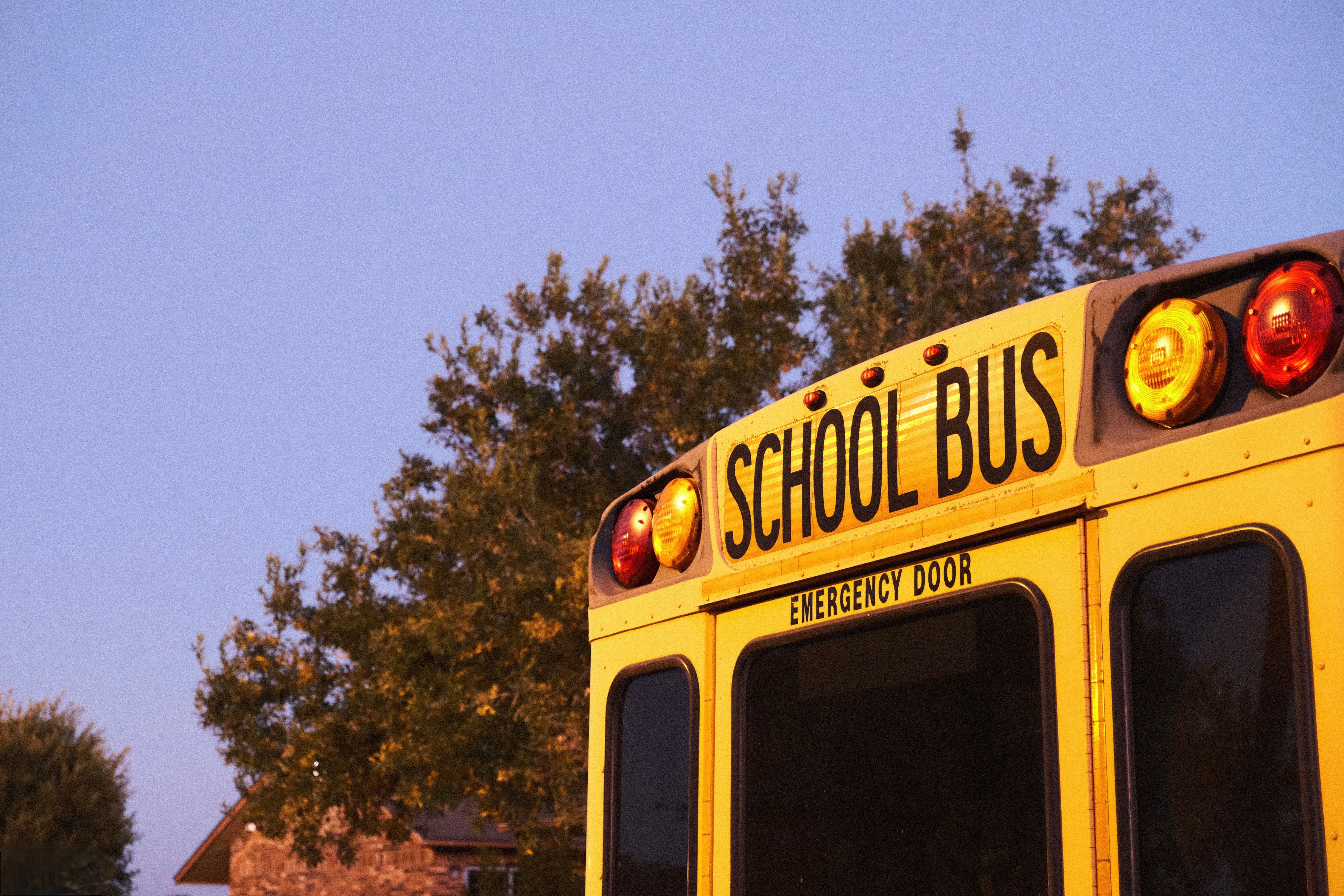
The first weeks of September change the rhythm of every road in South Jersey. Yellow buses return to their routes, children wait on corners in the early morning light, and a commute you have made a hundred times suddenly demands a new level of attention. Understanding New Jersey school bus laws is one of the most important responsibilities you have as a driver this time of year.
The reason is simple. The most dangerous part of a child's school day is not the ride itself but the moments spent getting on and off the bus. The law builds a zone of protection around those moments, and drivers who ignore it put young lives at risk.
At The Law Offices of Richard A. Stoloff, we help injured people and their families across Atlantic County and South Jersey. If you or your child has been hurt in a crash involving a school bus or a driver who failed to stop for one, call us at (609) 957-6810 or use our online contact form to schedule a free consultation.
New Jersey School Bus Laws: What Must You Do When A Bus Stops With Its Red Lights Flashing?
New Jersey requires more from drivers than many people realize when it comes to school buses. When a school bus stops and activates its flashing red lights, nearby drivers must respond immediately. What you must do depends on the type of road you are traveling.
- Two-lane roads and roads without a physical barrier: Stop at least 25 feet from the bus, whether you are behind it or approaching from the opposite direction. Remain stopped until students are safely on the bus or on the side of the road and the red lights have turned off.
- Divided highways: If you are on the same side as the bus, you must stop at least 25 feet away. If you are on the opposite side and a safety island or other physical barrier separates you from the bus, you may pass at 10 miles per hour or less.
- Buses stopped at a school: When a bus is picking up or dropping off students directly at a school, you may pass no faster than 10 miles per hour.
Passing A Stopped School Bus In NJ: How Does The Violation Affect An Injury Claim?
A driver who illegally passes a stopped school bus in New Jersey faces a fine, five points on their license, and possible jail time or community service. Those penalties punish the driver, but the money goes to the state. None of it pays for an injured child's hospital bills, follow-up care, or the time a parent misses from work to help them recover. A personal injury claim covers those costs.
The school bus law also carries weight in a civil case. It sets a clear rule: stop at least 25 feet away and stay stopped until children are safe and the red lights turn off. When a driver passes a bus with its lights flashing and hits someone, the violation can serve as strong evidence that the driver was negligent. The injured family still has to prove what happened and how the crash caused the injuries, but a clear safety rule makes it easier to show where the driver went wrong.
Evidence that can help prove a driver failed to stop includes:
- Bus camera footage: Many buses carry onboard or stop-arm cameras that record passing vehicles
- Witness statements: The bus driver, other motorists, parents, and crossing guards often see exactly what happened
- Police reports and citations: A report or ticket documenting the violation can support the claim
- Dashcam and nearby video: Footage from other vehicles, homes, and businesses near the stop
This evidence can disappear quickly. Bus companies and districts may record over video on a set schedule, so it helps to act early and preserve it.
School Bus Safety In South Jersey: Why Is September One Of The Riskiest Months On Local Roads?
September combines several risk factors at once. Bus routes restart after a summer away, students are adjusting to new stops, and drivers have spent two months on roads without buses in the traffic pattern. Add in bright early sunrises giving way to darker mornings as fall goes on, and the margin for error shrinks quickly.
The scale of the problem is larger than most drivers assume. In a pilot program during the 2024-2025 school year, cameras on just ten Woodbridge Township school buses recorded 2,840 illegal passings. Numbers like that have pushed state lawmakers to consider stop-arm camera legislation that would let police review bus camera footage and mail fines to the owners of vehicles caught passing stopped buses. If it passes, enforcement is likely to get stricter, not looser, in the years ahead.
Here in Atlantic County, the risk is easy to picture. Buses make frequent stops along Shore Road through Linwood and Somers Point, on neighborhood streets in Pleasantville and Egg Harbor Township, and near the Black Horse Pike and White Horse Pike corridors where commuter traffic moves fast. Casino employees heading to and from Atlantic City share those same roads during morning pickup hours, which makes patience and attention essential for everyone.
Safe Driving Around School Buses: What Practical Steps Can You Take This School Year?
Most school bus violations are not committed by reckless drivers. They are committed by distracted or hurried ones. A few simple habits can keep you on the right side of the law and, more importantly, keep children safe.
- Build in extra time: Leaving ten minutes earlier removes the temptation to make a risky pass when a bus stops in front of you
- Treat yellow flashers as a warning: Begin slowing as soon as you see them instead of accelerating to beat the stop
- Scan for children, not just buses: Kids run late, dart between parked cars, and cross mid-block near stops, especially in the first month of school
- Put the phone away: A bus stop sequence takes less than a minute, and a glance at a screen is all it takes to miss the flashing lights
- Learn the routes on your commute: Once you know where and when buses stop along your regular drive, you can anticipate them instead of reacting to them
None of these steps costs you more than a few minutes a day. Together, they dramatically lower the chance that you will ever be the driver a family remembers for the wrong reason.
School Bus Accident Claims In New Jersey: What Are Your Legal Options If You Or Your Child Is Hurt?
When a child is struck near a bus stop or a crash involves a school bus, several parties may bear legal responsibility. The driver who failed to stop is the most obvious, but liability can also extend to a private bus company, a contractor, or the school district itself, depending on how the accident happened.
Claims involving school districts and other public entities follow special rules. In most cases, you must file a formal notice of claim within 90 days of the accident, a deadline that arrives far faster than most families expect. Injury lawsuits in New Jersey must generally be filed within two years, and while children are given additional time, waiting makes evidence harder to gather and witnesses harder to find.
A successful claim can recover compensation for medical bills, lost income, and the pain and disruption a serious injury causes. Every case is different and no outcome can be promised, but an early investigation, including camera footage, witness statements, and crash reports, gives your family the strongest possible foundation.
What you do in the first days matters. Get medical care right away, keep records of every expense, photograph the scene if you can, and speak with a personal injury attorney before giving a recorded statement to an insurance company.
Frequently Asked Questions About New Jersey School Bus Laws
Do I Have To Stop For A School Bus On The Opposite Side Of The Road In New Jersey?
On a two-lane road or any road without a physical barrier, yes. Traffic in both directions must stop at least 25 feet from a bus with flashing red lights and remain stopped until the lights turn off. If a safety island or other physical barrier separates you from the bus, you may pass, but only at 10 miles per hour or less.
What Should I Do If My Child Was Injured At A Bus Stop In Atlantic County?
Seek medical attention first, then document everything you can and avoid signing anything from an insurance company. Because claims involving school districts can require formal notice within 90 days, speak with a South Jersey personal injury lawyer as soon as possible.
Who Pays If A School Bus Driver Causes An Accident?
Depending on the circumstances, the bus driver, a private bus company, or the school district may be responsible. Claims against public entities follow shorter deadlines and stricter procedures, so early legal guidance is important.
Talk To A South Jersey Personal Injury Lawyer About A School Bus Accident
Richard A. Stoloff has represented injured people in New Jersey and Pennsylvania since 1991, and his office in Linwood serves families throughout Atlantic County and South Jersey. If a driver who ignored the school bus laws hurt you or someone you love, you do not have to sort out the insurance companies and deadlines on your own.
Call The Law Offices of Richard A. Stoloff today at (609) 957-6810 or fill out our online contact form to schedule your free consultation. There is no fee unless we recover compensation for you, and this September, we hope every driver on the road gives your children the space the law demands.
Disclaimer: This blog is intended for informational purposes only and does not establish an attorney-client relationship. It should not be considered as legal advice. For personalized legal assistance, please consult our team directly.