

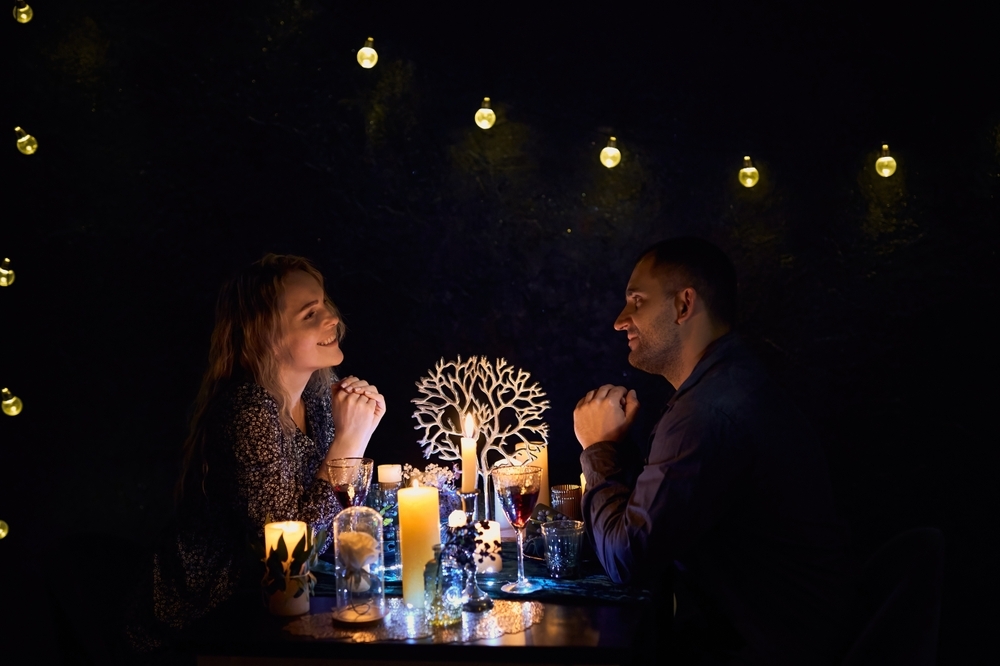
You stepped into the dining room for what should have been a pleasant evening, but the dim lighting turned a simple walk to your table into a painful accident. One second you were following the host, and the next, you were on the ground because of a spill or a trip hazard you never had a chance to see. This injury was not your fault, even if the restaurant staff tries to tell you otherwise. Right now, you need a legal advocate who understands that a business choice to keep things dark should never override your right to a safe walkway.
If you have been injured due to a hazard in a poorly lit restaurant, call The Law Offices of Richard A. Stoloff today at (609) 957-6810 or through our online contact form to schedule a free, confidential consultation.
Establishments often use dim lighting to create a specific mood or romantic atmosphere for their guests. While this design choice serves a purpose for the business, it does not exempt the property owner from the duty to maintain a safe environment. When lighting is so low that it obscures a liquid spill, a torn carpet, or an unexpected step down, the restaurant may be held responsible for any resulting injuries.
The law requires businesses to ensure that their premises are reasonably safe for all visitors. When a restaurant intentionally reduces visibility, they must take extra precautions to ensure that hazards are not hidden in the shadows. If you have suffered an injury because you could not see a floor hazard, you may be entitled to compensation for your medical bills and other related expenses.
You Deserve A Safe Walkway: How Negligent Lighting Leads To Serious Restaurant Falls
Premises liability is the legal principle that requires property owners to keep their land and buildings safe for people who have a right to be there. In New Jersey, restaurant patrons are considered invitees, which means the owner owes them a high level of care. This duty includes regular inspections to find and fix any dangers that might cause someone to slip or trip.
When a restaurant chooses a low-light aesthetic, they are making a conscious business decision that impacts safety. Darkness masks many dangers that would be easy to avoid in a well-lit environment. If the restaurant fails to compensate for this lack of visibility by being more careful with their maintenance, they are being negligent.
A common issue in these cases is the failure to warn guests about known risks. If there is a step down or a change in floor texture that is hard to see, the restaurant should provide adequate warning through signs or floor-level lighting. When they fail to do so, they are responsible for the physical and financial harm that follows.
When Mood Lighting Becomes A Trap: Identifying Common Hazards Hidden In Darkened Dining Areas
Low lighting creates a variety of risks that can lead to severe physical injuries. Because the human eye struggles to see contrast in dark settings, even a small object on the floor can become a major threat. These hazards are often the result of poor staff training or a lack of attention to detail during busy shifts.
The following list includes some of the most frequent hazards that guests encounter in dimly lit establishments:
- Liquid spills: Water or clear beverages become nearly invisible on dark flooring when there is no overhead light to cause a reflection
- Bunched carpets: Floor mats and rugs that are not secured can ripple and create a trip hazard that is hidden by the shadows
- Uneven transitions: Moving from a carpeted area to a wood or tile floor can cause a fall if the transition is not flush and visible
- Hidden steps: Single steps used to separate dining levels are notorious for causing falls when they are not marked with contrasting tape or lights
- Dropped food: Small pieces of food or discarded napkins can make a floor slick and are almost impossible to see in a romantic setting
These hazards are preventable when a restaurant has a clear policy for monitoring the dining room. When managers and staff prioritize turnover and speed over floor safety, the guests are the ones who suffer. A personal injury attorney can help you investigate whether the restaurant was following proper safety protocols at the time of your accident.
Seeking Justice For Your Injuries: Your Legal Rights After An Accident In A South Jersey Restaurant


If you are injured in a restaurant in Atlantic City or the surrounding areas, you have the right to seek compensation for your losses. The legal system allows you to hold the negligent business owner accountable for their failure to keep you safe. This process begins with understanding the specific laws that apply to your case in New Jersey.
In these jurisdictions, you do not have to prove that the owner intentionally tried to hurt you. You only need to show that they were negligent in maintaining the property. This means they either knew about a hazard and did nothing, or they should have known about it through a reasonable inspection process.
Many restaurants will claim that the hazard was open and obvious, meaning you should have seen it yourself. However, this defense often fails in low-light cases because the darkness itself prevented the hazard from being obvious. We use this fact to build a strong case that the restaurant created an environment that was inherently dangerous for their guests.
Holding Property Owners Accountable: Proving The Establishment Failed In Its Duty Of Care
To successfully recover damages, your legal team must demonstrate that the restaurant breached its duty of care. This involves a detailed look at the restaurant's daily operations and their history of safety. We look for evidence that shows a pattern of neglect or a specific failure in the moments leading up to your fall.
A key part of this process is determining how long the hazard was present before you fell. If a drink was spilled and left on the floor for twenty minutes in a dark room, the restaurant is likely liable. They had enough time to find and fix the problem but failed to do so because they were not monitoring the area correctly.
We also look at the training provided to the staff. Employees should be taught to scan the floors constantly, especially in areas where visibility is low. If the restaurant cannot show that they provided this training, it strengthens your claim that they were negligent in their management responsibilities.
Similar Post: 5 Common Mistakes That Could Hurt Your Personal Injury Claim in New Jersey
Navigating Physical Recovery: The Science Of Visual Adaptation And Falling Accidents
Human vision is not static; it changes based on the environment. When you enter a dark restaurant from the bright sun or a lit lobby, your eyes undergo a process called dark adaptation. This process takes time, and during those first few minutes, your ability to see hazards on the floor is severely compromised.
Restaurants have a responsibility to design their entryways and dining rooms with this biological reality in mind. A transition zone with intermediate lighting can help the eyes adjust more safely. When a restaurant forces guests to move immediately into a very dark space, they are increasing the likelihood of a slip and fall accident.
If your fall happened shortly after you entered the dining area, the lack of a transition zone could be a factor in your case. We can work with professionals who understand lighting and vision to explain why the restaurant's design was unsafe. This level of detail helps a jury or insurance adjuster understand why you were unable to avoid the hazard.
Building A Strong Case: Essential Evidence To Collect After A Fall In A Low Light Setting
The moments after a slip and fall are chaotic, but the evidence you collect can make or break your case. Because restaurants are constantly cleaned and changed, capturing the scene as it looked at the time of your injury is vital. This evidence serves as a factual record that the restaurant cannot easily dispute later.
The following items are crucial for building a strong premises liability claim:
- Scene photographs: Photos taken from your perspective can show exactly how dark the room was and how the hazard was hidden
- Manager reports: An official incident report created at the time of the fall provides a record that the event actually occurred on the premises
- Witness contacts: Other diners or staff members who saw the fall can provide independent accounts of the lighting and the hazard
- Clothing items: Your shoes or clothes may have residues from a spill that can be analyzed to prove what was on the floor
- Medical records: Immediate documentation of your injuries from a hospital or doctor links your physical condition directly to the fall
Without this evidence, the restaurant's insurance company may try to argue that the fall never happened or that it was caused by your own medical condition. We help you organize and present this information to create a clear picture of the establishment's negligence. Our team knows how to secure surveillance footage before it is overwritten by the restaurant's security system.
Managing Your Financial Future: Understanding The Real Financial Impact Of A Slip And Fall Accident
A serious fall can result in tens of thousands of dollars in medical bills and lost income. If you are unable to work, the stress of mounting expenses can make your recovery even more difficult. The legal system is designed to provide you with the financial resources needed to cover these costs and compensate you for your pain.
You may be entitled to recover several types of damages:
- Medical bills: This includes the cost of the initial emergency room visit, any surgeries, and ongoing physical therapy
- Lost income: You can recover the wages you lost while you were unable to work and any future earnings you will lose if your injury is permanent
- Pain and suffering: This compensates you for the physical pain and the emotional trauma associated with the accident and your recovery
- Loss of consortium: If your injury has impacted your relationship with your spouse, you may be able to seek damages for that loss
Calculating these damages requires a careful look at both your current expenses and your future needs. We work with experts to ensure that we are asking for an amount that truly reflects the impact the injury has had on your life. We do not want you to be left with medical debt for an accident that was someone else's fault.
Standing Up To Insurance Companies: Overcoming Defense Tactics In Premises Liability Cases
Insurance companies that represent restaurants are focused on protecting their profits. They will use a variety of tactics to deny your claim or reduce the amount they have to pay. One of the most common strategies is to blame the victim for the accident by claiming they were not paying attention.
In a low-light case, they may argue that because you knew it was dark, you should have been more careful. We counter this by pointing out that the restaurant has the ultimate responsibility to provide a safe path. The guest is there to eat and enjoy themselves, not to perform a safety inspection of the floor with every step they take.
They may also try to offer a quick settlement before you know the full extent of your injuries. These offers are almost always lower than what you actually need. We handle all negotiations with the insurance company so that you are not pressured into accepting an unfair deal. Our goal is to ensure you receive the full compensation allowed under the law.
Meeting Critical Deadlines: Understanding The Statute Of Limitations For Your Slip and Fall Injury Claim in New Jersey
Time is a critical factor in any personal injury case. In New Jersey, there are strict deadlines for filing a lawsuit after an accident. If you miss these deadlines, you will lose your right to seek compensation forever, no matter how strong your evidence might be.
For most personal injury cases in New Jersey, the statute of limitations is two years from the date of the fall. However, there are exceptions that can shorten this timeframe, especially if the restaurant is owned by a government entity. This makes it important to speak with a skilled personal injury attorney as soon as possible after your fall.
Starting the process early also helps with the investigation. It is much easier to find witnesses and secure video footage when the accident is fresh. We take care of all the filing requirements and deadlines so that you can focus on your health. Our team ensures that your case is moving forward through the legal system efficiently.
Choosing The Right Legal Team: Why You Need A Committed Advocate For Your Recovery
Choosing the right legal representation is one of the most important decisions you will make after an injury. You need an attorney who is not afraid to stand up to large corporations and insurance companies. At The Law Offices of Richard A. Stoloff, we have the experience and the resources to handle even the most complex premises liability cases.
We take a personal approach to every case we handle. We know that you are going through a difficult time, and we are here to provide the support and guidance you need. We explain the legal process in plain language and keep you informed about the progress of your claim every step of the way.
Proving Liability In Low Visibility Cases: How We Investigate Your Claim
Investigating a slip and fall case involves more than just looking at the floor. We look at the entire environment to determine why the accident happened. This includes reviewing lighting maintenance records and security footage from the night of your injury.
Using Experts To Support Your Case
In some situations, we bring in lighting experts to measure the actual illumination levels in the dining room. These experts can testify whether the lighting was adequate for safety. This professional insight is often the key to overcoming the restaurant's defense.
Reviewing Past Safety Violations
We also check to see if the restaurant has a history of safety violations or previous lawsuits. A pattern of neglect shows that the business does not take guest safety seriously. This information can be very powerful in court or during settlement negotiations.
Our investigation is thorough and aimed at getting you the best possible outcome. We leave no stone unturned when it comes to proving the restaurant's negligence.
Interested While Eating at a Restaurant in New Jersey? The Law Offices of Richard A. Stoloff Can Help


A restaurant's desire for a specific atmosphere should never result in a guest being sent to the hospital. When a business invites the public onto its property, it makes a promise that the environment is safe. When they break that promise because of poor lighting or neglected maintenance, they must be held responsible for the consequences.
You have the power to seek justice and protect others from suffering the same fate. By filing a claim, you are sending a message that safety must always come first. The Law Offices of Richard A. Stoloff is ready to help you navigate the legal system and fight for the compensation you need for your injuries and your loss of quality of life.
Call us now at (609) 957-6810 or reach out through our online contact form to speak with an attorney and learn how we can help protect your rights. Our firm represents clients throughout New Jersey, including Atlantic City, Pleasantville, and Galloway Township.
Disclaimer: This blog is intended for informational purposes only and does not establish an attorney-client relationship. It should not be considered as legal advice. For personalized legal assistance, please consult our team directly.